SEO, short for search engine optimization, is the work of making your pages easy for search engines to crawl, understand and trust, so they rank in the unpaid (organic) results and get cited in AI answers. It covers three things: what is on each page, how the site is built, and what the rest of the web says about you.
This guide explains how SEO works in four stages, the three pillars the work rests on, how it differs from paid search, what AI Overviews change, why it matters for a business, how long it takes and where to start.
What SEO means in plain terms
Type "emergency plumber near me" into Google and you get a page of results. A few are ads, and the business behind each one pays Google every time someone clicks. The rest are organic results, and nobody pays Google to be there. SEO is everything you do so your pages earn those organic spots for the searches your customers actually make.
SEO is about "helping search engines understand your content, and helping users find your site." (Google Search Central, SEO Starter Guide)
People searching "what is SEO marketing" are asking the same question from the marketing side. SEO marketing treats organic search as a customer channel: you pick the searches that bring buyers, build pages that answer them, and judge the work by the calls, leads and sales it brings in, not by rankings alone.
Across 200+ projects, the problem I run into most often is not a bad website. It is a decent website that never told Google clearly what the business does, for whom, and where.
How does SEO work?
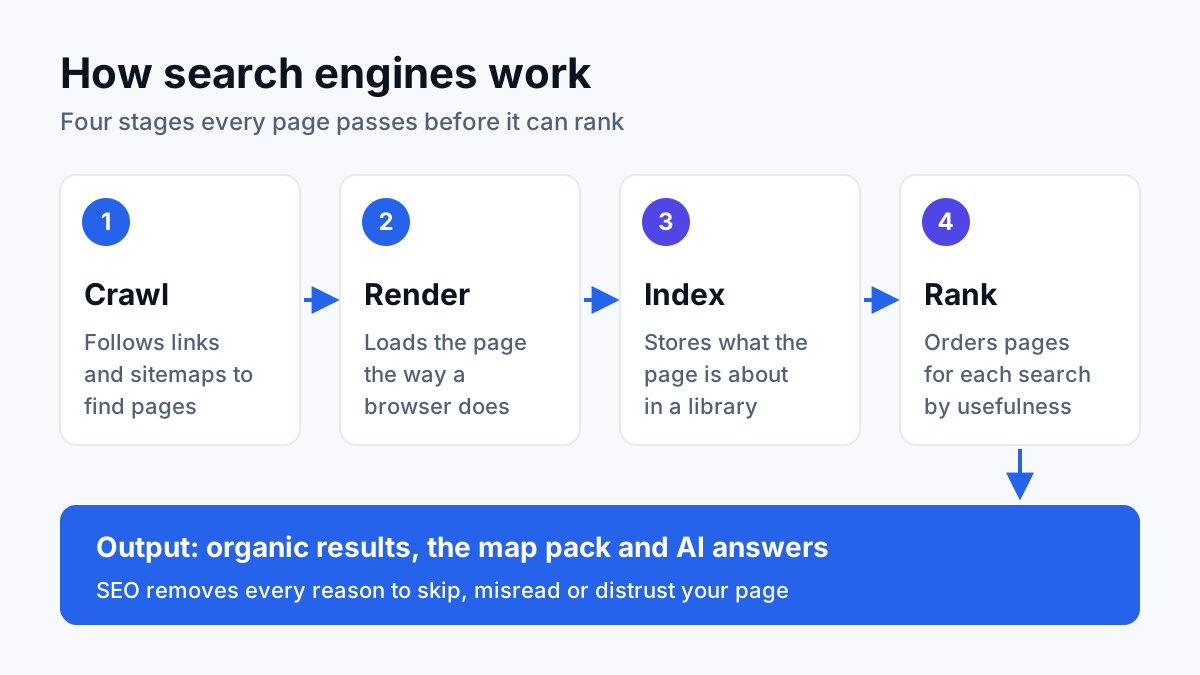
Search engines like Google handle every page in four stages. SEO work is simply making sure your page passes each one.
- Crawl. A program called a crawler (Google's is Googlebot) follows links and reads XML sitemaps (files that list your URLs) to find pages. A page nothing links to is hard to find.
- Render. The crawler loads the page the way a browser does, running its code, to see what a visitor sees. Text that only appears after a click, or behind a broken script, might never be read.
- Index. Google stores what it understood about the page in its index, a giant library of pages. Not every crawled page gets stored: thin or duplicate pages are often left out.
- Rank. When someone searches, Google pulls matching pages from the index and orders them by relevance, quality and usefulness for that exact query.
So when people ask how SEO works, the honest answer is this: you remove every reason for a search engine to skip, misread or distrust your page, then give it reasons to prefer yours. Google cannot rank a page it never found, no matter how good the copy is.
The three pillars of SEO
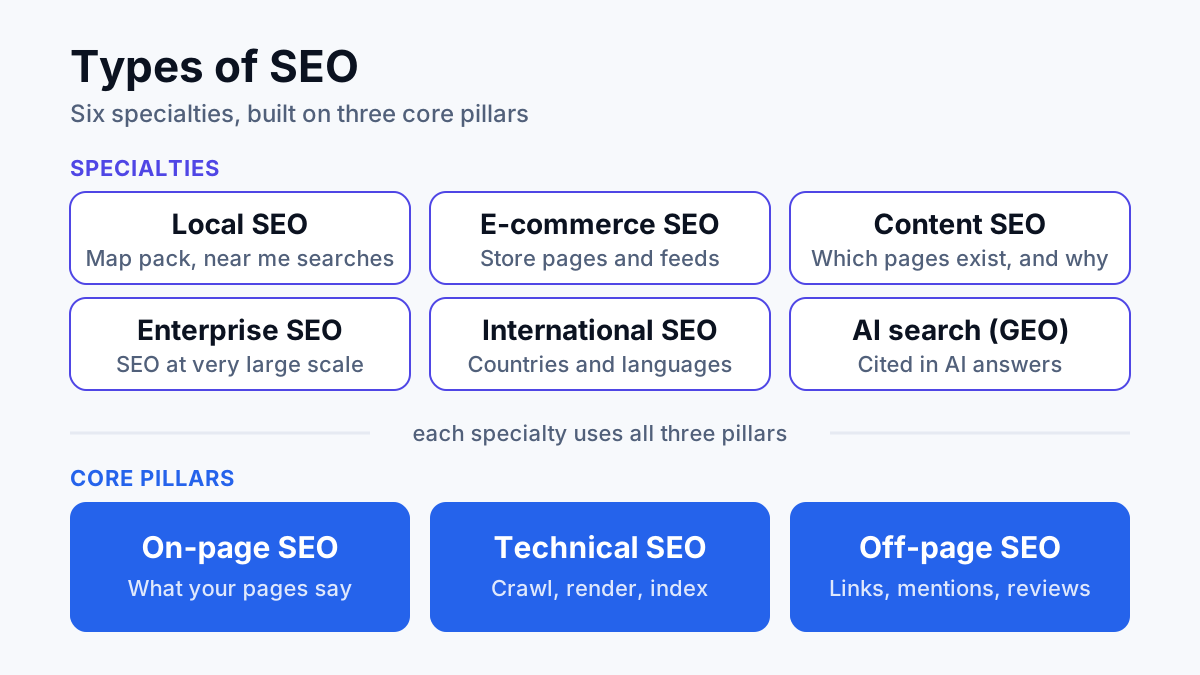
Practitioners split the work into three areas. Each one answers a different question about your site, and a weakness in any of them caps what the other two can do. The full list of types of SEO adds specialties like local and ecommerce SEO, but every one of them builds on these three.
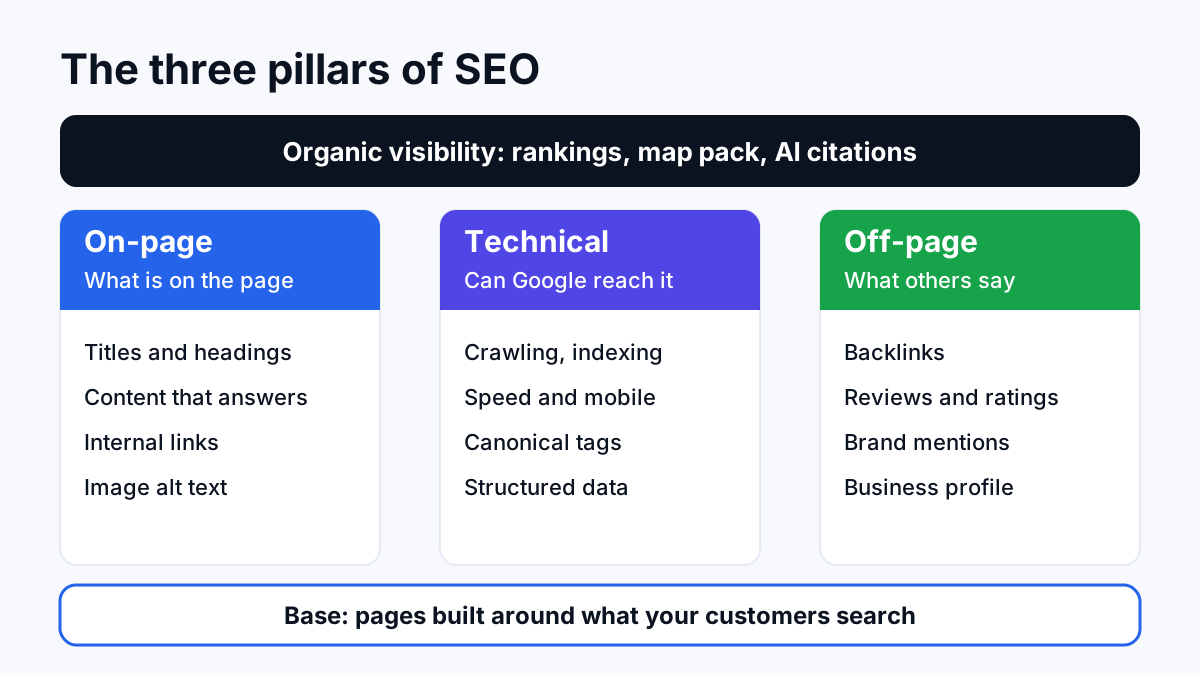
On-page SEO
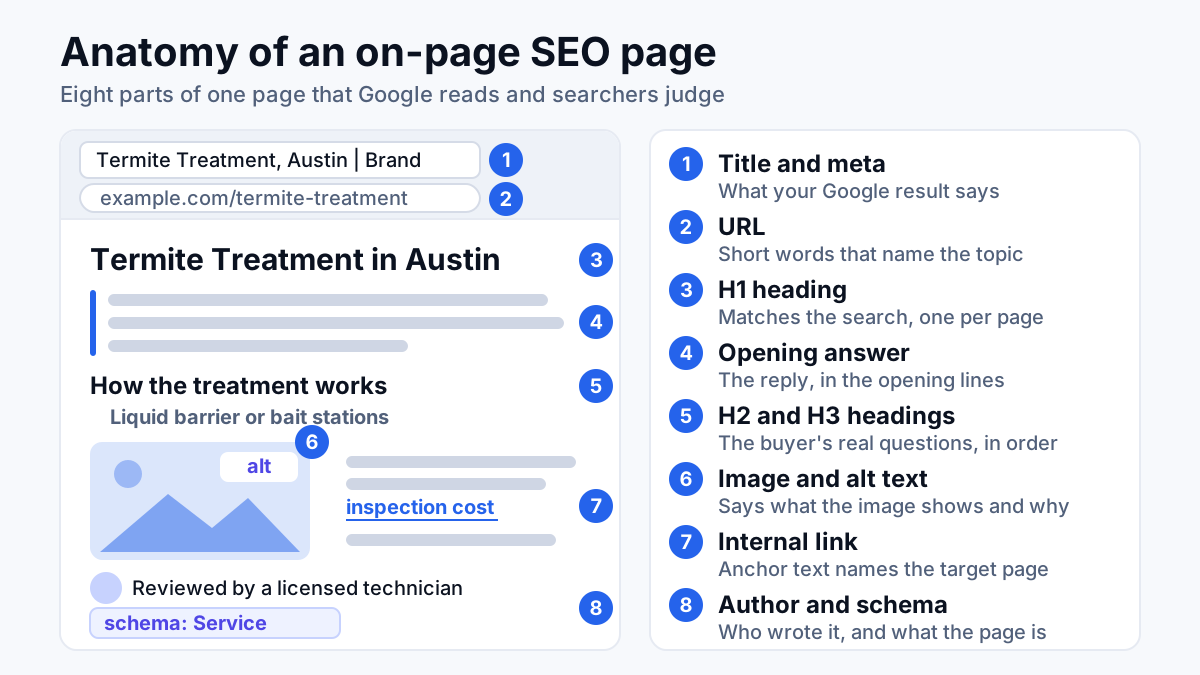
On-page SEO covers the content and HTML of each page: the title tag (the headline shown in search results), headings, body copy that matches what the searcher wants, internal links to related pages, and descriptive alt text on images. Search intent, meaning the goal behind a query, drives all of it. Someone searching "water heater replacement cost" wants numbers and options, not a company history.
Technical SEO
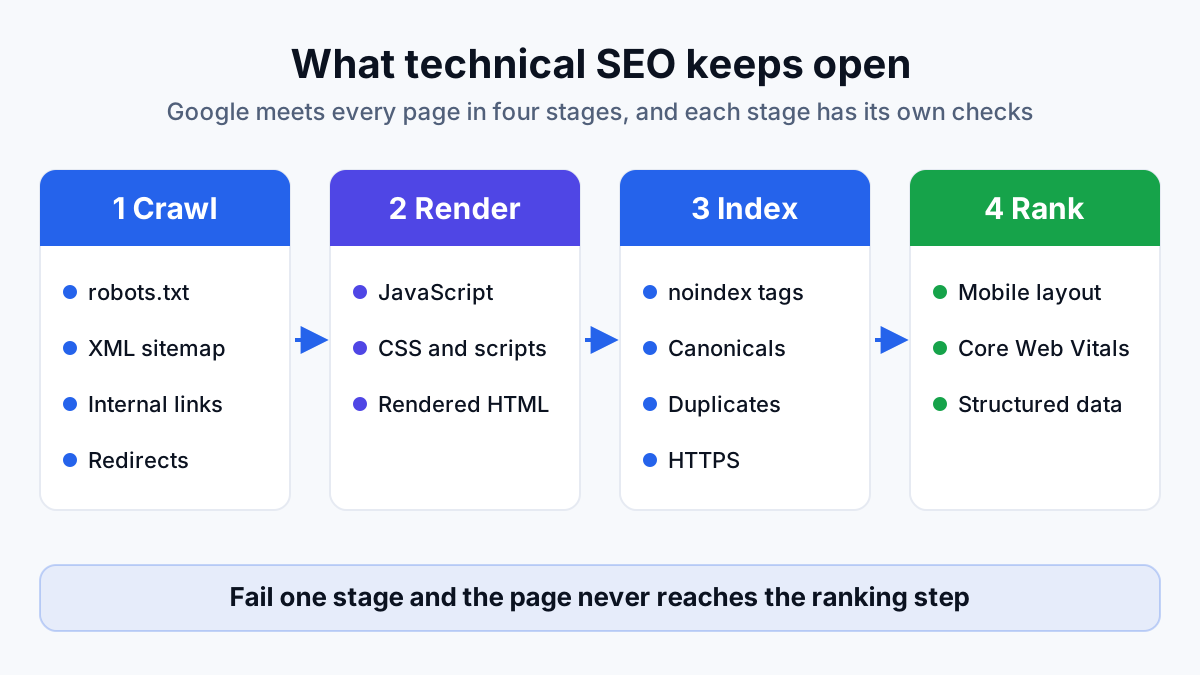
Technical SEO is about whether search engines can reach, render and store your pages at all. It covers site speed, mobile usability, the robots.txt file (which tells crawlers where they may go), XML sitemaps, redirects, canonical tags (which tell Google the preferred version of duplicate pages) and structured data (code that labels facts like prices, hours and reviews). Visitors rarely notice this layer until it breaks; Google notices on every crawl.
Off-page SEO
Off-page SEO is what the rest of the web says about you: backlinks (links from other websites to yours), reviews, brand mentions and, for local businesses, a complete Google Business Profile. Google's SEO Starter Guide notes that PageRank, its link-based algorithm, is one ranking signal among many, so the relevance and reputation of the sites linking to you matter more than the raw count.
SEO vs paid search
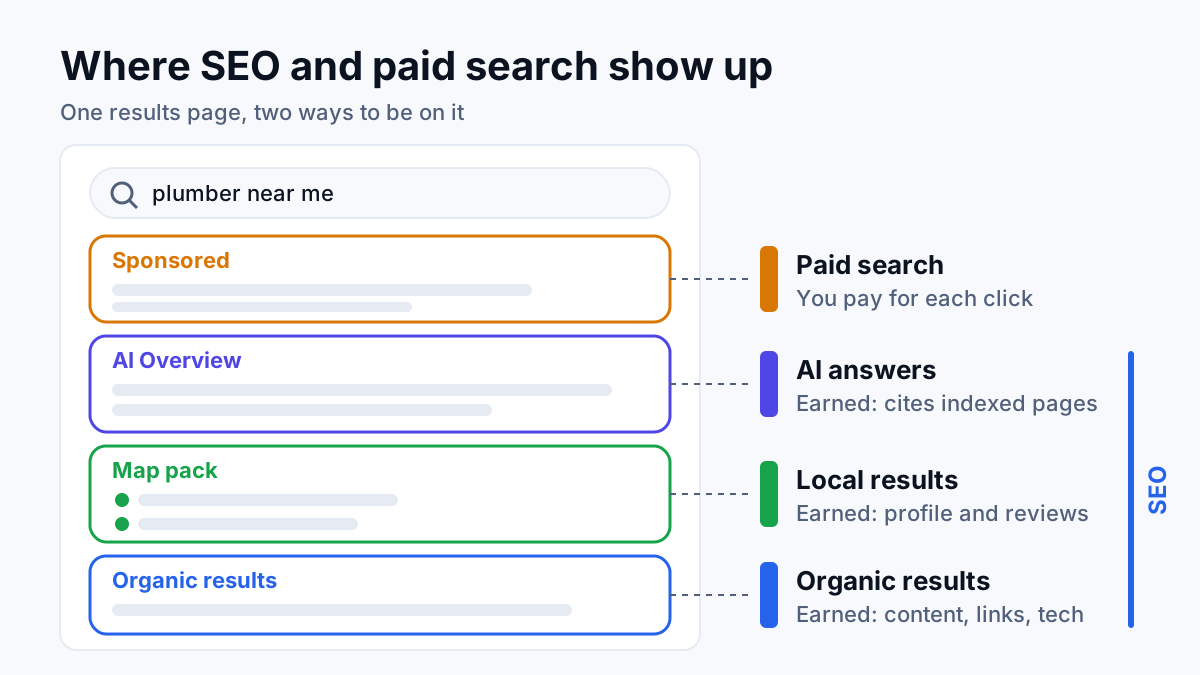
Paid search, often called PPC (pay-per-click), means bidding in Google Ads to show a sponsored listing above or below the organic results. SEM, short for search engine marketing, is the umbrella term for both. The two share a results page but behave very differently.
| Factor | SEO (organic) | Paid search (PPC) |
|---|---|---|
| What you pay for | Time, content and expertise; no fee per click | A fee to Google for every ad click |
| Speed to show up | Builds over weeks and months | Ads show as soon as a campaign is approved |
| When spending stops | Pages keep ranking while they stay useful and the site stays healthy | Traffic stops the day the budget does |
| Where it appears | Organic results, the map pack, AI answers | Slots labeled Sponsored |
| Good fit for | Steady demand you plan to own for years | Testing offers, seasonal pushes, new launches |
They are not rivals. A common pattern is to run ads on the searches that need to pay off this month while SEO pages mature for the same terms, then shift budget as organic results carry more of the load.
SEO and AI answers
Google now shows AI Overviews on many searches: an AI-written summary at the top of the page with links to the sources it drew from. ChatGPT, Perplexity and Microsoft Copilot give similar answers with citations. Optimizing for these is sometimes called GEO (generative engine optimization).
Google's guidance on AI features in Search is plain about it: SEO best practices still apply, and there are no extra requirements to appear in AI Overviews. To show as a supporting link, a page must be indexed and eligible to appear in Search with a snippet. In other words, the crawl, render, index and rank work above is the entry ticket.
What changes is how pages are written and measured. Pages that answer a question plainly near the top, with clear facts and a named expert behind them, are easier to quote. And because some searches now end on the results page without a click, traffic alone undercounts the work; calls, form fills and branded searches tell you more.
Why SEO matters for a business
A search is a request. Someone typing "ac repair near me" at 9pm already has the problem you solve, which makes organic search very different from an ad that interrupts a social feed.
- It catches intent. You show up at the moment someone is looking, not when you happen to buy their attention.
- It compounds. A page that ranks keeps bringing enquiries at night and on weekends, with no fee for each click.
- It builds trust. Appearing for the questions in your field makes you look like the obvious choice, and AI answers repeat the sources they find credible.
- It tends to lower cost per lead over time. As more pages rank, you stop paying again for every visitor.
- It is an asset you own. Rankings belong to your site, not to an ad account that goes quiet the day the card expires.
It is not right for every business. If almost nobody searches for what you sell, SEO has little demand to catch. The piece on whether SEO is worth it walks through that test.
How long SEO takes
Timing is the question every owner asks, and Google's own answer is honest about the uncertainty. Its SEO Starter Guide says some changes take effect within a few hours while others take several months, and suggests waiting a few weeks before judging whether a change worked. Real timing depends on how old and trusted the site is, how competitive the searches are, how much is broken today and how much content needs writing.
A local business fixing obvious technical problems in a lightly contested town usually sees movement sooner than a new site chasing national terms. Anyone promising a date for page one is guessing, confidently. The breakdown of how long SEO takes covers the stages and what to expect in each.
Where to start with SEO
You do not need a big budget to begin. Work through these steps in order:
- Set up Google Search Console. It is Google's tool for site owners, showing which searches bring impressions and clicks and which pages are indexed. Searching site:yourdomain.com on Google gives a quick check that your pages are in the index.
- List the searches your customers make. Write down your services, the towns you serve and the questions people ask before they buy. Those phrases are your keywords.
- Give each important search one page. A service page per service and a location page per area you serve, each with a clear title, a plain answer near the top and an easy way to contact you.
- Fix what blocks crawling. Look for pages marked noindex by mistake, broken links, redirect loops and slow mobile pages.
- Earn signals from outside. Complete your Google Business Profile if you serve a local area, ask happy customers for reviews, and get listed where your trade and town are listed.
- Measure what pays. Track calls, forms and sales from organic search each month, not rankings alone.
Small teams with no marketer can follow a lighter version of this list in the guide to SEO for small business.
Your next step is step one: open Search Console this week and look at which searches already find you. If you want someone to read that data with you and turn it into a plan across all three pillars, that is the work I do as an independent SEO consultant.